Caribbean Food Centennial: A Fresh Look at Historic Island Meals
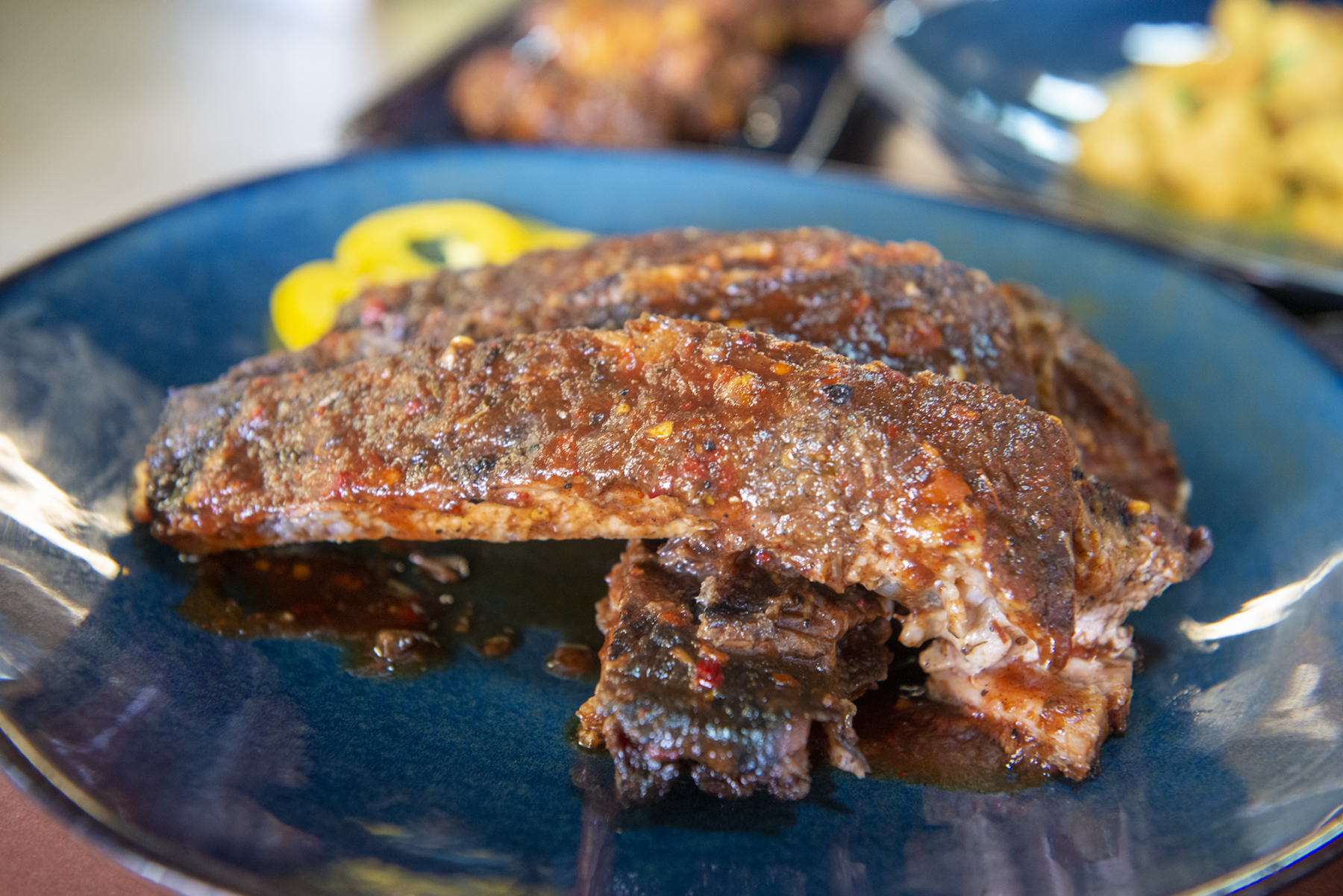
A centennial invites a different kind of attention. It asks us to stretch our view beyond the fashionable plate, beyond the latest restaurant opening, beyond the travel brochure version of island eating. Looking at Caribbean food across a hundred years reveals something more durable and more interesting: meals shaped by migration, colonial trade, hard seasons, family economies, religious calendars, and extraordinary resourcefulness. The phrase "caribbean food centennial" might sound ceremonial at first, but it opens a useful frame. It lets us ask what island people actually cooked, what ingredients mattered, how recipes traveled, and why so many dishes still carry the memory of necessity even when they are now served as celebration food.
Historic Caribbean meals were rarely static. A pot of callaloo in Trinidad did not mean exactly the same thing in 1925 as it does now, and a Sunday rice dish in Jamaica could shift according to access to imported saltfish, local peas, or the cost of pork. Across the region, one sees the same pattern. Core techniques endure, but ingredients and meanings move. That is why a fresh look matters. Too much writing about Caribbean cuisine flattens it into a cheerful montage of jerk, rum, and beachside seafood. Real island cooking is more disciplined than that, more agricultural, more seasonal, and more connected to labor than outsiders often realize.
What follows is not a museum tour of "authentic" dishes frozen in time. That would miss the point. Caribbean food has always been adaptive. The better question is how island meals have held onto their character while absorbing change for a century and more.
A region tied together by trade, but never uniform
The Caribbean is often spoken of as though it were one table. It is not. The Spanish-speaking islands developed one set of pantry habits, the French Caribbean another, the English-speaking islands yet another, and the Dutch Caribbean their own variations. Then there are the mainland territories tied culturally and historically to the region, each adding fresh complications. Even within a single island, rural cooking could differ sharply from urban food, plantation-era inheritances from fishing village traditions, Afro-Caribbean dishes from Indo-Caribbean or Chinese Caribbean family cooking.
Still, there are threads strong enough to trace across a century. Rice and ground provisions remained fundamental almost everywhere. Plantains, cassava, yams, eddoes, sweet potatoes, breadfruit, pigeon peas, coconut, and salted fish formed the backbone of countless meals. Fresh meat was valued, but not always abundant. Preservation mattered. So did stretching flavor. A small quantity of smoked meat, pigtail, salt cod, crab, or herring could season an entire pot and feed many mouths. That logic still shows up in the region's most beloved dishes.
If you spend time in older Caribbean kitchens, or talk to cooks who learned from parents and grandparents born in the first half of the twentieth century, you hear the same practical wisdom. Food had to fill, hold well in heat, reward long cooking, and make sense for the workday. Breakfast might be far heavier than many visitors expect. Midday meals had to support fieldwork, fishing, market labor, or long school hours. Sunday dinners often carried the prestige that daily food could not.
The starches that built the meal
Modern restaurant menus tend to spotlight protein. Historic island meals usually started elsewhere. The first question was often not what meat to cook, but what starch would anchor the plate or bowl. Rice appeared widely by the early twentieth century, yet root crops never lost importance. In periods when shipping was disrupted or imported goods became expensive, local staples regained center stage quickly.
Breadfruit is a good example. Introduced into the Caribbean in the colonial era, it became deeply woven into island foodways over time because it answered a practical need. It grew well, yielded generously, and could be roasted, boiled, fried, or turned into more elaborate preparations. In many older households, roast breadfruit with saltfish was not nostalgic theater. It was ordinary and smart. The same can be said of green bananas, boiled dumplings, cassava bakes, and cornmeal preparations in places where wheat flour was either costly or less culturally rooted.
Across the century, these starches also marked class and aspiration. In some periods, imported white bread or polished rice signaled urban modernity, while provisions were treated as rustic or old-fashioned. Yet the same foods often returned to favor when people reconsidered flavor, satiety, and local value. That cycle has repeated more than once. Anyone discussing a caribbean food centennial seriously should pay attention to these reversals. They reveal that food prestige is never just about taste. It is about economics, empire, and memory.
Salt, smoke, and the deep pantry
One of the clearest continuities in historic island meals is the importance of preserved ingredients. Refrigeration arrived unevenly. Reliable electricity arrived unevenly. Even where cooling became available, the habit of cooking with salted and smoked foods remained because those ingredients had built the flavor architecture of the region.
Saltfish deserves special attention. It moved through colonial trade routes for centuries and became so normalized in island life that many classic dishes would be unrecognizable without it. In Jamaica, ackee and saltfish became iconic, but the ingredient's reach went much further. It entered fritters, stews, rice dishes, and breakfast spreads from one territory to another. Its appeal was not only durability. Salt cod brought intensity. A cook could shred a little into a pan and season far more food than fresh fish alone might allow.
The same principle applied to smoked herring, salted beef, pigtail, and cured pig parts. These foods carried social complexity. They were products of scarcity and trade hierarchy, but they also became objects of real affection. A pot of red peas soup with pigtail, or split peas simmered with salted meat, cannot be understood only as "making do." It is cooking that transformed limited means into culinary identity.
This is one of the great strengths of Caribbean food over the last hundred years. It does not hide the history of constraint, but neither is it defined by deprivation. It builds pleasure from hard conditions with a confidence that many wealthier cuisines later came to admire.
The one-pot meal as history lesson
If there is a format that best captures the spirit of historic island cooking, it is the one-pot meal. Pelau in Trinidad and Tobago, cook-up rice in Guyana, peas and rice variations across the English-speaking Caribbean, sancocho in the Spanish Caribbean, oil down in Grenada, pepperpot in Guyana, mannish water in Jamaica after celebration nights, crab and callaloo in Trinidad, fish broths from island to island, all show the same culinary logic. Layer flavor patiently, use what is available, create fullness, and let the pot bring disparate ingredients into one coherent dish.
These meals were efficient, but not simplistic. Good one-pot cooking requires judgment. Timing matters. Coconut milk can enrich but also dull if overused. Salt meat can overtake a pot if not soaked or balanced. Dumplings need structure. Root vegetables should soften without collapsing. Greens must deepen the broth rather than vanish into it. Cooks who grew up watching these dishes being made understand that "rustic" is often a misleading word. The technique may be informal, but the palate behind it is exact.
Oil down, Grenada's national dish, is especially revealing in a centennial view. Breadfruit, coconut milk, turmeric, callaloo or dasheen bush, dumplings, and meats simmer together until the liquid cooks down and the pot concentrates into something almost elemental. The dish carries Indigenous, African, and colonial histories in one vessel. It is festive food now, but its structure reflects economies of abundance and scarcity at once, making use of local staples while stretching more expensive ingredients.
Sunday dinner and the performance of care
Across many Caribbean households, the most important meal of the week was not always linked to a public holiday. It was Sunday dinner. That pattern held through much of the twentieth century and, in many families, still does. Sunday meals often involved the best cut of meat the household could afford, the most labor-intensive sides, and a degree of table ceremony absent from weekday eating.
The details varied by island. In some homes, rice and peas, stewed chicken, macaroni pie, fried plantain, and a salad became the expected spread. In others, baked fish, callaloo, provision, and avocado played that role. In the Hispanic Caribbean, roast pork, rice, beans, root crops, and pasteles at special times marked similar terrain. In the French Caribbean, court-bouillon, colombo, and festive pork preparations occupied their own place in the weekly or seasonal rhythm.
What matters is not a single menu but the role of the meal. Sunday dinner gathered the family, displayed a cook's standards, and affirmed continuity. Even households with very limited means often made an effort on that day. If weekday food expressed discipline, Sunday food expressed dignity. That distinction still shapes the emotional life of Caribbean cuisine.
The Indo-Caribbean imprint changed the table permanently
Any serious study of island meals over the last century must reckon with Indo-Caribbean cooking, especially in Trinidad and Tobago, Guyana, and Suriname, with echoes elsewhere through migration. The descendants of indentured laborers transformed the region's food habits in ways now so integrated that many people forget how significant the shift was.
Roti is the most obvious example, but it is far from the only one. Curried duck, goat, channa, bodi, aloo, mango kuchela, doubles, pholourie, and a wide range of chutneys and pepper sauces changed street food, home cooking, and festive menus. Curry itself became Caribbean in new ways. It adapted to local peppers, local meats, local timing, and local expectations about gravy and starch. A Trinidadian curry does not taste like a North Indian curry, nor is it trying to. It is a creolized form shaped by island ingredients and generations of practice.
This matters in a caribbean food centennial conversation because it demonstrates how quickly "foreign" foods can become central once they answer local appetites and fit local conditions. The same process happened with Chinese Caribbean cooking, though often in less publicly celebrated ways. Corned beef and canned goods entered island kitchens through another route altogether, tied to empire, convenience, and later globalization. Caribbean food history is full of these incorporations. The region does not preserve itself by resisting change. It preserves itself by metabolizing change on its own terms.
Sea food, but not always seafood luxury
Outsiders often assume island people have easy access to abundant fresh fish every day. Reality has always been more uneven. Fishing communities certainly shaped local diets, and coastal meals could be fish-rich, but geography, weather, transport, price, and export pressures complicated access. In some places the best local catch went to hotels or foreign markets, while inland families relied more on tinned mackerel, saltfish, or lower-cost species.
Historic fish cookery across the Caribbean reflects this reality. Escovitch fish, steamed fish, rundown, fish tea, court-bouillon, ceviche-like preparations in some areas, and coconut-rich fish stews all point to a practical handling of perishability and strong seasoning. Acid, pepper, herbs, and frying methods helped manage freshness and preserve appeal in hot climates. So did choosing species suited to the dish rather than chasing prestige fish.
There is also a social angle worth noting. Shellfish, conch, turtle, and certain reef species have shifted in status over the past century due to regulation, scarcity, tourism demand, and changing ecological awareness. A dish once considered humble can become expensive. Another once common may no longer be ethical or legal to serve. A fresh look at historic island meals cannot ignore environmental change. The sea fed the region, but it has limits.
Sweetness, celebration, and the economics of dessert
Caribbean sweets tell a parallel story of adaptation. Coconut drops, tamarind balls, cassava pone, black cake, sweet potato pudding, toolum, gofio, flan, tablea-based chocolate drinks, guava duff, and countless milk-based or syrup-heavy confections show how local produce met imported sugar in powerful ways. Plantation sugar wealth brutalized the region, yet sugar also became embedded in household baking and preserving. That contradiction sits inside almost every festive dessert tradition.
Black cake is a good example of culinary timekeeping. It is not just cake. It is planning. Fruit must be soaked, often for months. Browning must be judged. The crumb must hold moisture without turning dense. In many Caribbean homes, holiday baking is a serious craft, and older family bakers guard their proportions closely. Over the last century, electric mixers and packaged ingredients changed technique, but they did not erase the patience built into the recipe's social meaning.
Street sweets mattered too. A peanut cake wrapped in paper, a bag of sugar cake sold near a school gate, a frozen treat pushed from a cart on a hot afternoon, these were part of everyday island food life. They remind us that culinary history does not live only at the Sunday table.
What changed after the mid-century
By the mid-twentieth century, several forces began changing Caribbean meals caribbean food centennial caribbean food centennial more visibly. Migration altered aspiration and access. Returning relatives brought new tastes from London, Toronto, New York, Miami, Amsterdam, and Panama. Tinned goods, powdered milk, processed cheese, breakfast cereals, and industrial bread expanded their reach. Refrigeration changed shopping patterns. Women entered paid labor in larger numbers, reshaping cooking time. Tourism created demand for a polished "local cuisine" that sometimes simplified what people actually ate at home.
These changes brought gains and losses. Convenience foods saved labor and offered consistency. They also displaced some time-intensive preparations. Imported chicken parts became affordable and popular, while some local livestock traditions declined. White flour products spread further. Sugary drinks became commonplace. Yet the same period also saw an intensified pride in national dishes after independence movements across the region. Foods once dismissed as poor people's fare were recast as heritage.
That tension continues today. A hotel buffet can offer jerk chicken, pelau, and fried plantain as symbols of national identity while local families quietly worry about the rising price of fresh produce or the disappearance of backyard fruit trees. Heritage is never just what is plated for visitors. It is what remains cookable under ordinary conditions.
Why old meals still speak clearly now
Historic island meals matter because they offer practical intelligence for the present. They teach resilience without romanticizing hardship. They show how to build nourishing flavor from modest ingredients. They reveal the value of local agriculture. They insist that a cuisine can be both mixed and rooted, both changing and recognizable.
There is also a health conversation here, though it should be handled carefully. It is too easy to idealize "traditional food" as automatically healthier than modern eating. Some historic dishes are high in salt, starch, or saturated fat, for understandable historical reasons. But many older meal patterns also included more legumes, more greens, more fresh ground provisions, and less constant snacking on ultra-processed foods. The lesson is not to turn every ancestral dish into a wellness slogan. The lesson is to notice balance, frequency, and context.
From experience, the strongest contemporary Caribbean kitchens are not the ones trying to make old recipes lighter at any cost, nor the ones treating the past as sacred and untouchable. The best cooks understand adjustment. They know when a dish can bear less oil and when cutting fat ruins the structure. They know that fresh thyme and scallion cannot simply be replaced by dried herbs without flattening the whole pot. They know that some "updates" improve usability, while others erase the personality of the food.
Reading the plate with more respect
When people talk loosely about Caribbean cuisine, they often praise its boldness. That is true, but incomplete. The deeper achievement of the region's cooking over the past century is coherence. Dishes evolved under pressure and still developed a clear internal logic. Pepper is not there just for heat. Coconut is not there just for richness. Browning is not there just for color. Each ingredient tends to do several jobs at once, especially in older recipes built around thrift.
That is why historic island meals deserve more than nostalgic admiration. They deserve close reading. A plate of rice and peas with stewed meat can tell you about colonial imports, African retention, local farming, religious custom, fuel economy, and family ambition. A roti skin wrapped around curried channa can tell you about indenture, adaptation, urban vending, and portable labor food. A bowl of fish broth with yam and green banana can tell you almost everything about the Caribbean preference for meals that sustain before they impress.
The centennial lens sharpens these truths. Over one hundred years, island food has changed plenty, but not randomly. It has absorbed shocks and fashions while holding fast to methods of seasoning, shared eating, and practical abundance. That continuity is worth honoring, especially at a time when many younger diners encounter traditional dishes first in restaurants rather than in family kitchens.
The task now is not to embalm Caribbean food in heritage language. It is to keep it legible and cookable. That means supporting local producers where possible, documenting family methods before they disappear, teaching younger cooks why certain steps matter, and resisting the temptation to reduce the region's cuisine to a handful of exportable icons. The most interesting story in a caribbean food centennial is not that these dishes survived. It is that they remain useful, delicious, and intellectually alive.
A century's worth of island meals leaves us with a clear impression. Caribbean food has never been merely tropical color on a plate. It is a record of endurance, improvisation, appetite, and standards. Historic meals from the islands still have plenty to say, provided we are willing to taste them as history and not just as spectacle.
Reggae Pot Jamaican Grill
Address: 7562 S University Blvd Unit C, Centennial, CO 80122
Phone: (303) 997-5623
FAQ About caribbean food centennial
What Jamaican dishes can I try in Centennial?
Reggae Pot Jamaican Grill serves Jamaican specialties such as jerk chicken, stewed oxtail, curry goat, and ackee and saltfish. Check the current menu for availability.
What is ackee and saltfish?
It is Jamaica’s national dish. The restaurant prepares ackee with salted cod, onions, thyme, tomatoes, garlic, black pepper, and pimento.
Can I order Jamaican food for pickup in Centennial?
Yes. Choose the Centennial location at 7562 S University Blvd Unit C when placing a takeout order.
Corrections
Spot something wrong? Send it to the desk and it gets fixed in the open.