Caribbean Food Centennial: The Best Foods to Celebrate the Occasion
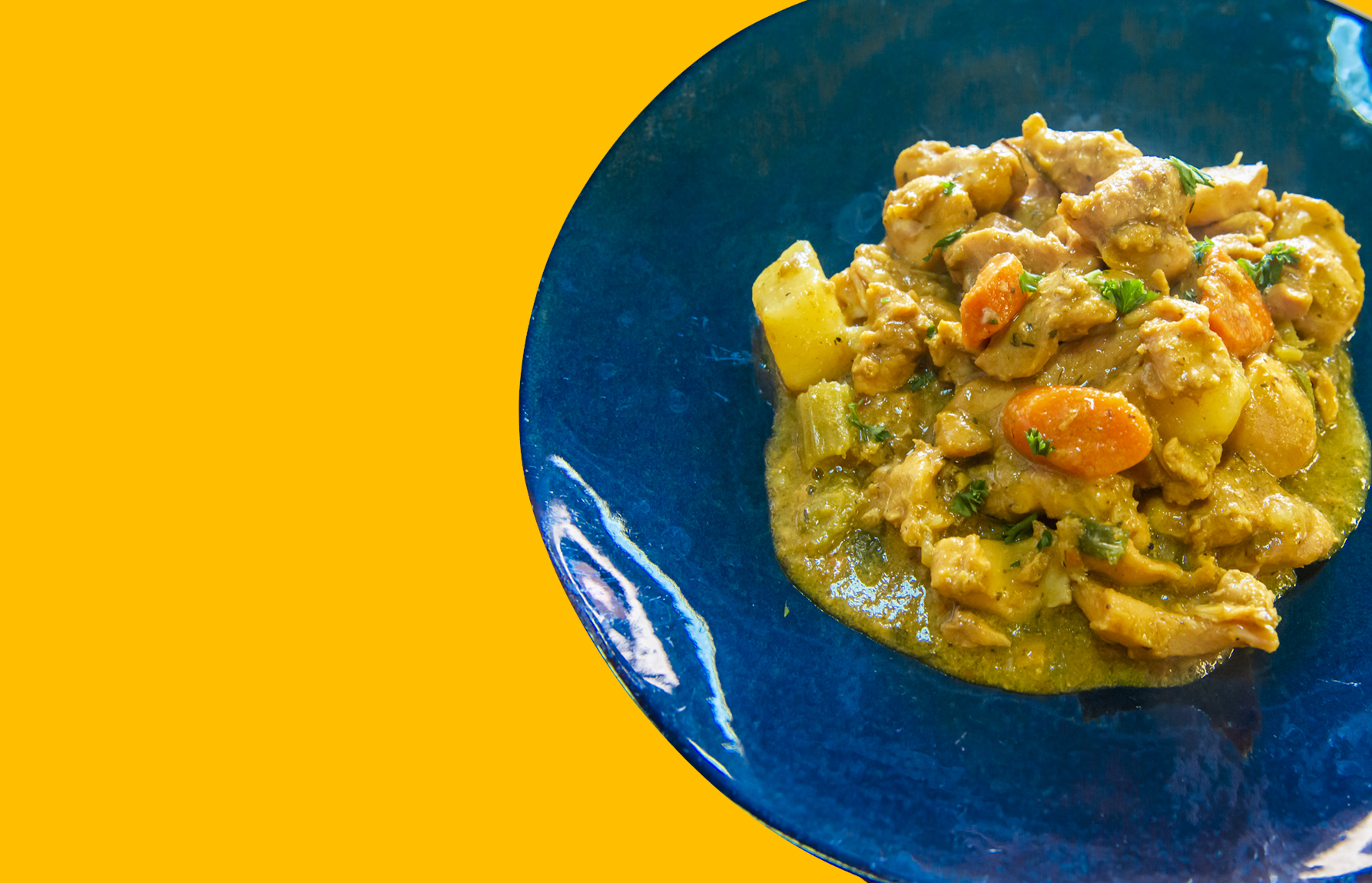
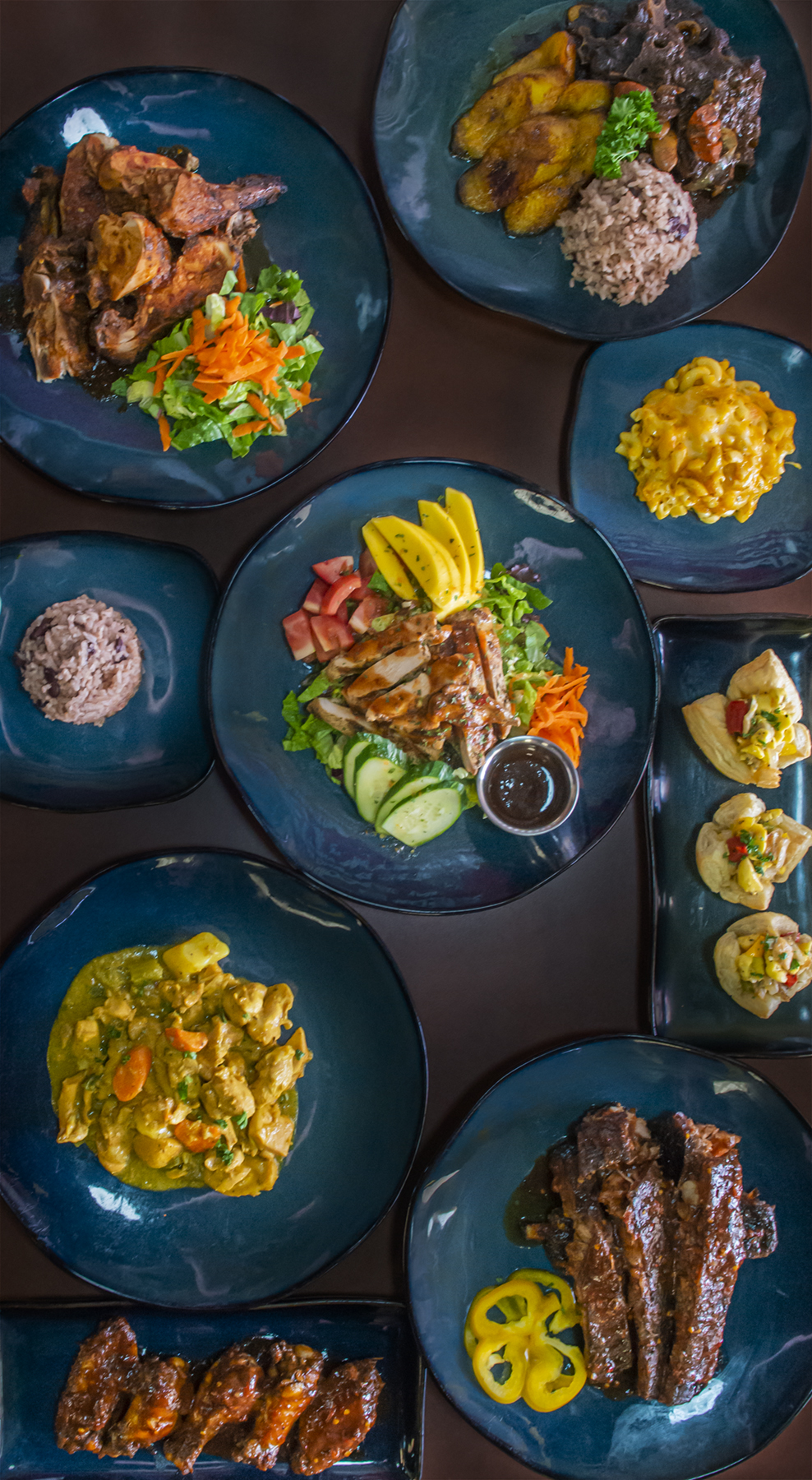

A centennial deserves more than a sheet cake and a speech. It calls for food with memory, character, and enough presence to carry a room. When the occasion is rooted in Caribbean culture, that matters even more. Caribbean cooking is celebratory by nature. It is layered, social, aromatic, and full of dishes that arrive with a story attached, whether that story starts in a fishing village, a Sunday family kitchen, a cane field, a market stall, or a port city shaped by migration.
Planning a menu for a Caribbean food centennial is not just about choosing crowd-pleasers. It is about understanding what kind of celebration you are hosting. A formal hundred-year commemoration at a cultural institution needs a different rhythm from a backyard gathering for a family matriarch turning one hundred. The best Caribbean food for the occasion should do three things at once. It should feel generous on the table, recognizable to guests across generations, and practical enough to serve well at scale.
That last point gets overlooked. Some beloved dishes are magical when eaten straight from the pot and far less impressive after an hour under a chafing lid. Others travel beautifully and improve as they rest. Experience teaches you to respect both flavor and logistics. A memorable spread is never just delicious. It is paced well, balanced in texture and heat, and built around dishes that can hold their own from the first toast to the final plate.
Why Caribbean food fits a centennial so well
Centennial celebrations are about continuity. You are marking time, yes, but you are also marking survival, adaptation, and the quiet discipline of passing things down. Caribbean food speaks directly to that. It is one of the clearest records of the region’s history, carrying Indigenous, African, European, Indian, Chinese, and Middle Eastern influences in one cuisine family that is both connected and deeply local.
A Trinidadian doubles table and a Jamaican jerk pan do not look the same. A Dominican sancocho and a Bajan pudding and souse do not season the same. Yet they belong to the same larger story of resilience, trade, improvisation, and hospitality. That is why the phrase caribbean food centennial works so well as more than a keyword. It describes a style of celebration where food becomes the archive.
If the event honors an institution, community, church, school, neighborhood, or elder with a long history, the menu can carry the symbolism. Rice dishes speak of abundance. Whole fish often signal prosperity and festivity. Slow-cooked stews evoke patience and care. Sweets made from coconut, cassava, plantain, or condensed milk show the region’s knack for transforming humble ingredients into something memorable.
Start with the anchors, not the side dishes
The strongest Caribbean celebration menus are built around two or three anchor dishes. These are the foods guests remember first and talk about later. Everything else should support them.
For a broad audience, rice and peas is one of the safest and smartest anchors on the table. It is comforting, familiar across much of the English-speaking Caribbean, and sturdy enough for service over several hours. The beauty of a good pan lies in restraint as much as richness. Coconut milk, thyme, scallion, allspice, and the right amount of salt create depth without making the dish heavy. In large-batch cooking, the challenge is preserving definition in the grains. Too often, event rice turns soft and tired by the second tray. The better approach is to underfinish slightly before holding, then allow steam to complete the texture.
Alongside it, a braised or stewed main gives the meal depth. Brown stew chicken remains one of the best choices for a large centennial because it is flavorful, economical, and forgiving. Proper browning matters. So does balance. A sauce that is too sweet loses the savory edge that gives the dish authority. Done well, it lands somewhere between glossy and rustic, with onions, peppers, tomato, and pan drippings working together rather than competing.
For a more ceremonial feel, curried goat is hard to beat. It signals occasion. It also rewards patient cooking and tastes even better after resting, which is useful when timing a major event. The caution here is sourcing and consistency. Goat quality varies widely, and a weak batch can turn stringy or flat. A good cook compensates with proper marination, enough green seasoning, and a curry blend with real body rather than raw spice heat. Guests often remember the aroma of curry before they remember anything else on the menu.
Fish deserves a place in the conversation as well. Escovitch fish, king fish steaks, or baked snapper can be excellent choices, especially for lunch celebrations or coastal events. But fish is less forgiving in buffet conditions. Once overcooked, it does not recover. For that reason, fish often works best in a plated service or as a featured station where turnover is fast.
The celebratory dishes that always earn their place
There are certain foods that reliably create the feeling people want from a milestone Caribbean event. They have visual appeal, strong aroma, and emotional weight. These are not trendy picks. They are dishes with staying power.
Jerk chicken belongs near the top of that list. It has become globally famous, but at a proper celebration it should still feel specific, not generic. The best jerk is not just heat and smoke. It is pimento, thyme, scallion, ginger, garlic, Scotch bonnet, and a touch of sweetness meeting live fire or at least honest roasting. At a centennial, jerk works because it cuts through the richness of the broader meal and creates movement around the serving area. People gather where the smoke is.
Pelau is another smart option, especially in Trinidadian or wider West Indian settings. It gives you protein, rice, peas, and deep caramelized flavor in one pot. It is practical, satisfying, and ideal for large gatherings where guests may be standing, mingling, or eating in stages. A good pelau should have distinct grains and enough dark sugar base to create depth without tasting burnt. The ratio of meat to rice matters more than many cooks admit. A pan full of rice with a few scattered chicken pieces feels stingy fast.
Then there is sancocho, one of the great dishes of Caribbean celebration cooking. Rich but not flashy, humble but deeply festive, it can feed a crowd while still tasting personal. In Dominican, Puerto Rican, and other Latin Caribbean traditions, it carries the soul of the caribbean food centennial gathering. Root vegetables, corn, plantain, meats, stock, herbs, and time do the heavy lifting. Sancocho is particularly good for multigenerational events because it appeals to older guests who want comfort and younger guests who want substance.
Roti, especially curry chicken or curry goat with dhalpuri or paratha, creates a different kind of festive energy. It is interactive, fragrant, and satisfying. If you choose roti for a caribbean food centennial, pay close attention to service style. Freshly wrapped rotis can move efficiently if managed as a station. Pre-filled rotis held too long can go dense and sweaty. The dish deserves better.
Do not neglect the starches and ground provisions
Many hosts focus so intensely on proteins that they treat starches as filler. In Caribbean cooking, that is a mistake. Ground provisions and starches are not background noise. They provide structure to the meal and often determine whether guests leave feeling properly fed.
Fried ripe plantains bring sweetness and color, and they pair especially well with jerk, stew chicken, and salt-forward dishes. Timing is key. Plantains fried too early lose their edge and become limp. At service, they should be soft in the center with caramelized borders, not greasy or pale.
Festival is another excellent celebratory addition, especially with jerk meats or fried fish. Slightly sweet, crisp outside, tender within, it breaks up savory intensity and adds variety to the plate. It also helps if your menu leans spicy. Guests often reach for festival instinctively to cool the palate.
Boiled yam, cassava, green banana, and sweet potato can give the meal gravitas, especially at a daytime event or one honoring elders. Their value is not glamour. Their value is honesty. They connect the table to older foodways and make rich sauces taste even better. Butter, onions, or a simple drizzle of coconut oil can be enough. These are ingredients that do not need fuss.
The soups and starters that set the mood
At a major celebration, the opening notes matter. A room settles differently when guests are welcomed with something warm, fragrant, and clearly made with care. Caribbean soups excel here.
Pumpkin soup, especially in Haitian tradition, carries profound symbolic weight because of its association with independence and freedom. Serving it at a centennial can bring an added layer of meaning if the event has cultural or historical dimensions. A good pumpkin soup should be velvety but not bland, aromatic with herbs and spice, and substantial enough to feel generous.
Pepper pot soup, mannish water, fish tea, and callaloo can all work, depending on the community and the event. Each carries a different message. Fish tea is bright and coastal. Callaloo is earthy and elegant. Pepper pot feels old-world and sustaining. Mannish water is bold and not for every audience, but where it belongs, it belongs completely.
For more casual events, patties, accra, saltfish fritters, or pholourie can greet guests beautifully. The caution is portioning. Passed appetizers can sabotage appetite if they are too heavy or too frequent. At centennial events, I have seen this happen more than once: guests fill up early on fritters and bread, then cannot properly enjoy the main spread. Small portions and smart pacing fix that problem.
A centennial menu should include at least one dish of pure comfort
Every grand menu needs a dish that quietly steadies the whole occasion. Not the loudest dish, not the most expensive, just the one that makes guests exhale a little when they taste it.
Macaroni pie often plays that role in the English-speaking Caribbean. It is familiar, deeply loved, and ideal for feeding a crowd. A good version has body, seasoned depth, and enough structure to cut cleanly without becoming stiff. The top should have color, not just melted cheese. If the pan tastes only of dairy, it misses the point. Caribbean macaroni pie needs mustard, pepper, aromatics, and backbone.
Callaloo can serve the same purpose in another direction. It is soft, savory, and grounding, especially when paired with rice, fish, or provisions. Some cooks enrich it with coconut milk, crab, or smoked meat. Others keep it simpler. Both approaches can work at a centennial, but consistency matters. A watery callaloo on a buffet line spreads disappointment quickly.
Breadfruit, roasted or fried, is another comfort food that deserves more space at celebratory tables. Done well, it has a satisfying creaminess and a toasted edge that pairs beautifully with saltfish, stew, and pepper sauces. For those who grew up eating it, breadfruit can trigger the strongest memories in the room.
Desserts that feel worthy of a hundred years
Dessert at a centennial should never feel like an afterthought. It does not have to be elaborate, but it should feel rooted and generous.
Black cake is the obvious heavyweight, and for good reason. Dense with dried fruit, deep with browning and spice, and often touched with wine or rum, it carries celebration in every slice. caribbean food centennial It also keeps well, which makes it practical for large events. The challenge is quality. Dry black cake is a waste of everyone’s time. It should be moist, fragrant, and cut in modest portions because richness is part of the point.
Rum cake can work alongside black cake if your guest list is large and varied, though the two can feel redundant if the dessert table is small. Sweet potato pudding, cassava pone, and cornmeal pudding offer more texture contrast and regional character. They also appeal to guests who prefer less frosting and more substance.
Coconut drops, gizzada, toto, grater cake, and tamarind balls can add a homespun note that balances more formal sweets. These are especially effective on a dessert station because people can sample without committing to a large slice of anything.
Fresh fruit deserves mention too. Mango, pineapple, guava, papaya, and sorrel poached pear can lighten the close of a rich meal. The smartest dessert tables in warm climates always include something cool, bright, and less dense than cake.
Drinks matter more than hosts expect
At Caribbean celebrations, the drinks table often becomes its own social hub. It is where elders compare methods, younger guests circle back for refills, and everyone debates whose aunt made the best version.
Sorrel is one of the strongest choices for a centennial because it feels festive immediately. Clove, ginger, citrus, and hibiscus create a drink that tastes like celebration even before the food arrives. It can be served chilled, lightly sparkling, or sharpened for an adult crowd. The key is balance. Too much clove and it turns medicinal. Too much sugar and it loses freshness.
Mauby is more divisive, but when it is good, it is unforgettable. Its slightly bitter edge can be refreshing against a rich menu. Ginger beer is almost always a winner, especially if made with enough heat to wake up the palate. Seamoss, peanut punch, and fruit punches also have their place, though they can become quite filling.
For coffee service, do not underestimate the pleasure of strong Caribbean coffee after a heavy meal. It gives the evening a clean second wind, especially if dessert is substantial.
If you are building a menu, think in contrasts
The best centennial meals avoid monotony. Even beloved foods can blur together if every dish is soft, brown, rich, or heavily spiced. Contrast is where judgment shows.
Pair a smoky meat with a bright pickle or slaw. Balance a deep stew with a cleaner rice dish. Set a creamy element beside something crisp. Include one dish with clear herbaceous lift, perhaps a cucumber chow, pickled vegetables, or a fresh mango salsa, so the palate does not tire.
Heat should be available, not imposed on everyone. Scotch bonnet sauces, kuchela, or homemade pepper sauce should be offered with confidence but served separately unless the audience expects stronger seasoning. A common mistake at large events is flattening the food to avoid offending anyone. Another is the opposite, chasing intensity at the expense of balance. Caribbean food does not need to shout to be memorable.
Here is a practical menu framework that works well for many centennial celebrations:
- Choose two major mains, such as jerk chicken and curried goat, or brown stew chicken and escovitch fish.
- Add one rice-based anchor, usually rice and peas, pelau, or seasoned rice.
- Include one comfort dish, often macaroni pie, callaloo, or provisions.
- Finish with one statement dessert, like black cake or sweet potato pudding.
- Support the meal with sorrel, ginger beer, and a bright condiment or pickle.
Regional choices can make the event feel more personal
A broad Caribbean spread is impressive, but sometimes the smartest move is to narrow the focus. If the centennial celebrates a person, organization, or community with roots in a specific island or territory, the menu should reflect that with some discipline.
For a Jamaican-centered event, jerk chicken, ackee and saltfish canapés, rice and peas, festival, callaloo, and black cake create a coherent table. For Trinidad and Tobago, doubles for a welcome bite, pelau, curry duck or goat, macaroni pie, callaloo, and sorrel feel natural. For a Dominican or Puerto Rican gathering, sancocho, pernil, arroz con gandules, tostones, and flan or tembleque may better capture the mood. Haitian celebrations might bring in soup joumou, griot, diri kole, pikliz, and pain patate.
The point is not purity for its own sake. It is resonance. Guests can feel when a menu has been shaped with real cultural attention rather than assembled from generic “island” references. That difference shows up in everything, from seasoning choices to side dishes to the order in which foods are served.
Hosting details that protect the food
Even exceptional cooking can fade if the service plan is weak. Centennials often run longer than expected. Speeches stretch. Photo sessions multiply. Guests arrive in waves. Build the menu for that reality.
A few service choices make an outsized difference:
- Hold fried items in small batches rather than all at once, or skip them if the kitchen cannot maintain quality.
- Rest stews and curries before service, because they often improve after the first hour.
- Keep cold condiments truly cold, especially slaws, pickles, and fruit.
- Slice cakes modestly at first, since rich Caribbean desserts go further than standard sheet cake portions.
- Label spicy dishes clearly, particularly when Scotch bonnet is involved.
Those may sound like minor points, but they decide whether the food tastes composed or chaotic. At large events, grace often comes down to temperature, timing, and tray management.
The emotional center of the meal
The most successful caribbean food centennial celebrations are not necessarily the most lavish. They are the ones where the menu feels inhabited by memory. A spoonful of sancocho that tastes like a grandmother’s kitchen. A pan of macaroni pie that disappears before the speeches end. The smell of jerk smoke drifting across a courtyard. Sorrel poured over ice while old stories surface.
Food for a hundred-year occasion should be abundant, but it should also be legible. Guests should understand why these dishes are here and what they are saying. They are saying that care still matters. That seasoning is a form of attention. That recipes survive because people keep making them, adjusting them, defending them, and serving them to those who come after.
If you are choosing the best foods for a centennial, trust the dishes that have already proved they can hold a room together. Choose the ones that reheat well, serve well, and remember well. Choose the ones with depth, not gimmicks. Caribbean food has never needed embellishment to feel grand. It only needs good ingredients, honest technique, and enough confidence to let tradition speak in a full voice.
That is how you build a table worthy of one hundred years.
Reggae Pot Jamaican Grill
Address: 7562 S University Blvd Unit C, Centennial, CO 80122
Phone: (303) 997-5623
FAQ About caribbean food centennial
What Jamaican dishes can I try in Centennial?
Reggae Pot Jamaican Grill serves Jamaican specialties such as jerk chicken, stewed oxtail, curry goat, and ackee and saltfish. Check the current menu for availability.
What is ackee and saltfish?
It is Jamaica’s national dish. The restaurant prepares ackee with salted cod, onions, thyme, tomatoes, garlic, black pepper, and pimento.
Can I order Jamaican food for pickup in Centennial?
Yes. Choose the Centennial location at 7562 S University Blvd Unit C when placing a takeout order.
Corrections
Spot something wrong? Send it to the desk and it gets fixed in the open.